队列-先入先出(FIFO)的数据结构

队列的定义

队列是指允许在一端进行插入,而在另一端进行删除的线性表.允许进行删除运算的一端成为队头(或排头),允许进行插入运算的一端称为队尾.
队列称为"先进先出""后进后出"的线性表.

cmd-markdown-logo

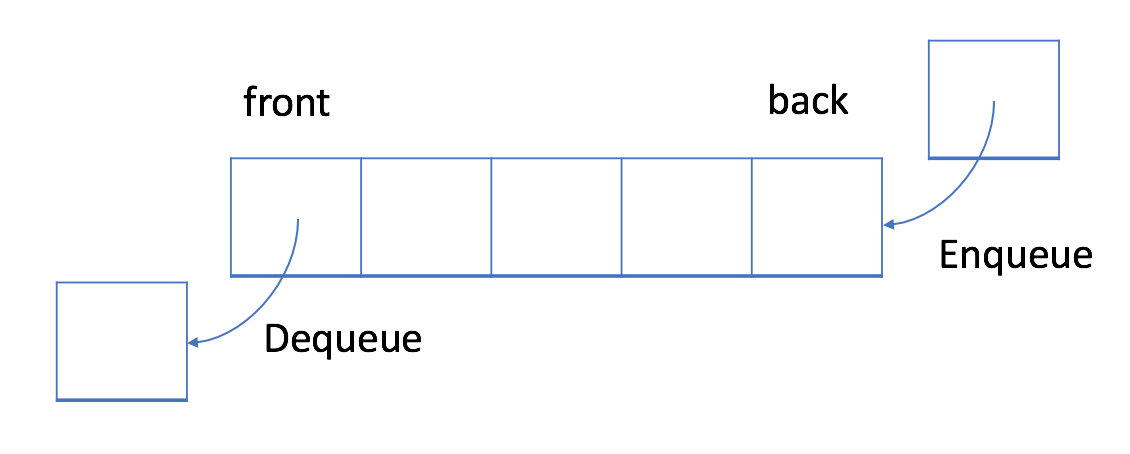
在 FIFO 数据结构中,将首先处理添加到队列中的第一个元素
如上图所示,队列是典型的 FIFO 数据结构。插入(insert)操作也称作入队(enqueue),新元素始终被添加在队列的末尾。 删除(delete)操作也被称为出队(dequeue)。 你只能移除第一个元素

示例 - 队列


1. 入队:您可以单击下面的 Enqueue 以查看如何将新元素 6 添加到队列中。
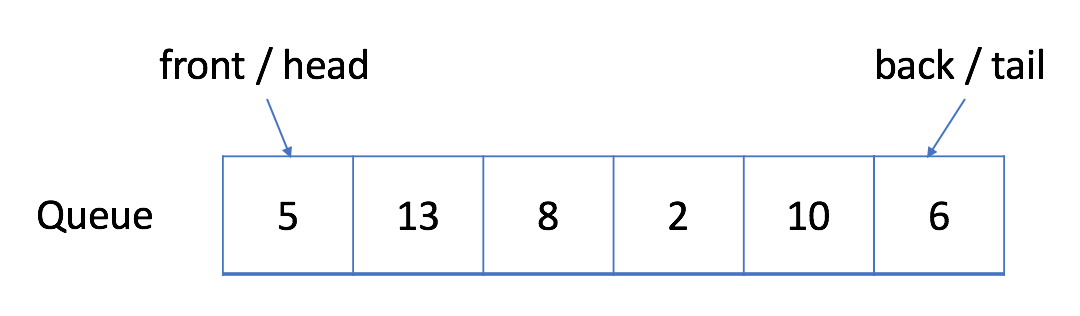
    

2. 出队:您可以单击下面的 Dequeue 以查看将删除哪个元素。


为了实现队列,我们可以使用动态数组和指向队列头部的索引。

如上所述,队列应支持两种操作:入队和出队。入队会向队列追加一个新元素,而出队会删除第一个元素。 所以我们需要一个索引来指出起点。

这是一个供你参考的实现(C++):

1
2
3
4
5
6
7
8
9
10
11
12
13
14
15
16
17
18
19
20
21
22
23
24
25
26
27
28
29
30
31
32
33
34
35
36
37
38
39
40
41
42
43
44
45
46
47
48
49
50
#include <iostream>

class MyQueue {
private:

// store elements
vector<int> data;
// a pointer to indicate the start position
int p_start;
public:
MyQueue() {p_start = 0;}
/** Insert an element into the queue. Return true if the operation is successful. */
bool enQueue(int x) {
data.push_back(x);
return true;
}
/** Delete an element from the queue. Return true if the operation is successful. */
bool deQueue() {
if (isEmpty()) {
return false;
}
p_start++;
return true;
};
/** Get the front item from the queue. */
int Front() {
return data[p_start];
};
/** Checks whether the queue is empty or not. */
bool isEmpty() {
return p_start >= data.size();
}
};

int main() {
MyQueue q;
q.enQueue(5);
q.enQueue(3);
if (!q.isEmpty()) {
cout << q.Front() << endl;
}
q.deQueue();
if (!q.isEmpty()) {
cout << q.Front() << endl;
}
q.deQueue();
if (!q.isEmpty()) {
cout << q.Front() << endl;
}
}

缺点


上面的实现很简单,但在某些情况下效率很低。 随着起始指针的移动,浪费了越来越多的空间。 当我们有空间限制时,这将是难以接受的。

让我们考虑一种情况,即我们只能分配一个最大长度为 5 的数组。当我们只添加少于 5 个元素时,我们的解决方案很有效。 例如,如果我们只调用入队函数四次后还想要将元素 10 入队,那么我们可以成功。

但是我们不能接受更多的入队请求,这是合理的,因为现在队列已经满了。但是如果我们将一个元素出队呢?


实际上,在这种情况下,我们应该能够再接受一个元素。

循环队列

此前,我们提供了一种简单但低效的队列实现。

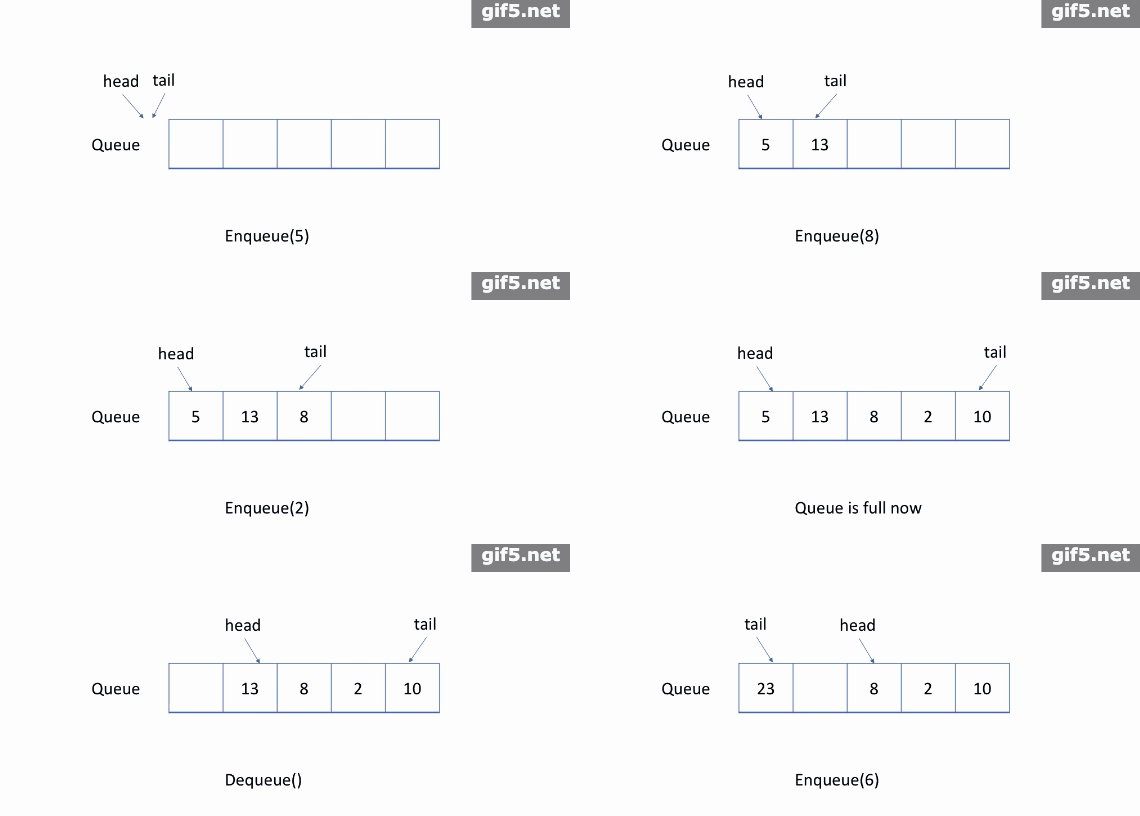
更有效的方法是使用循环队列。 具体来说,我们可以使用固定大小的数组两个指针来指示起始位置和结束位置。 目的是重用我们之前提到的被浪费的存储

让我们通过一个示例来查看循环队列的工作原理。 你应该注意我们入队出队元素时使用的策略。

仔细检查动画,找出我们用来检查队列是还是的策略。

所谓循环队列就是将队列存储空间的最后一个位置绕到第一个位置,形成逻辑上的环状空间,拱队列循环使用.

栈-后入先出(LIFO)的数据结构

栈的定义

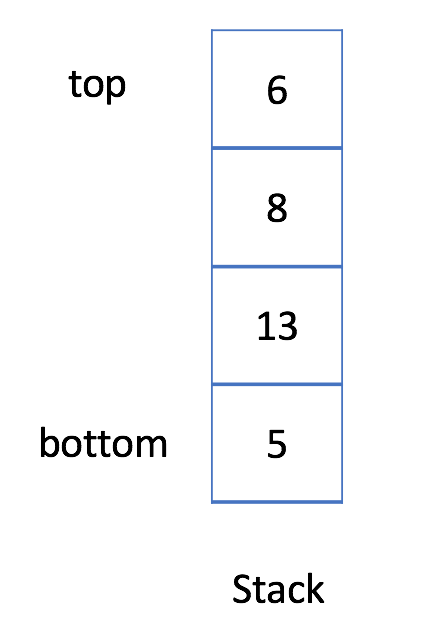
栈(Stack)是一种特殊的线性表,它所有的插入与删除都限定在表的同一端进行,允许插入与删除的一端称为栈顶,不允许插入与删除的一端称为栈底,当栈中没有元素时,称为空栈.

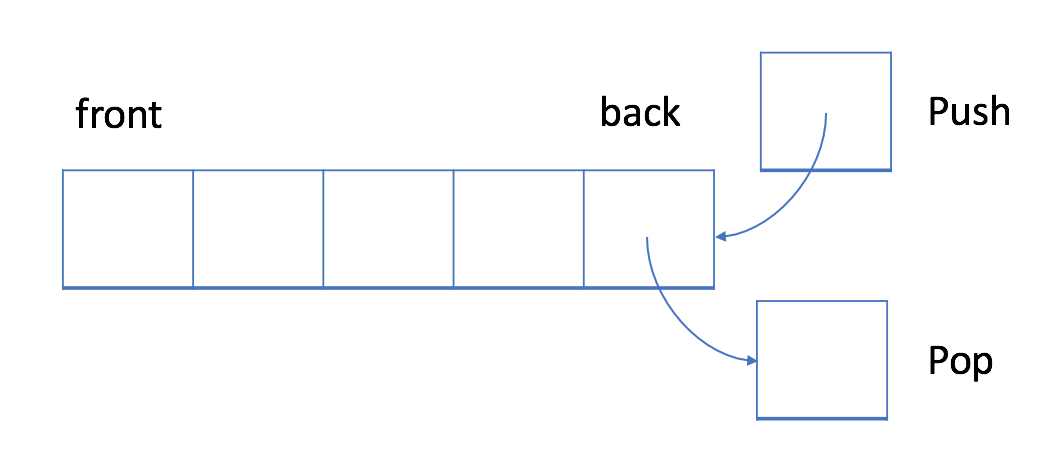
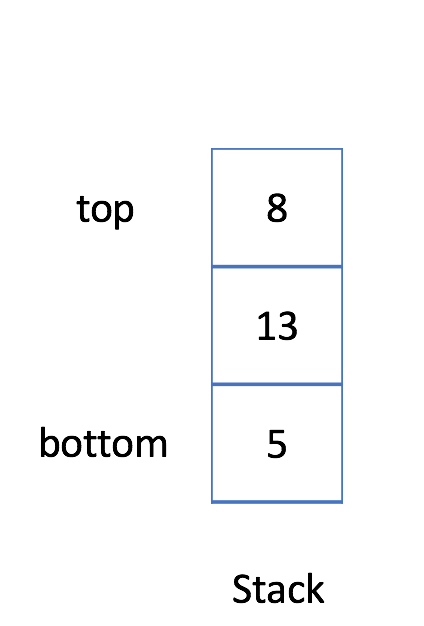
在 LIFO 数据结构中,将首先处理添加到队列中的最新元素

与队列不同,栈是一个 LIFO 数据结构。通常,插入操作在栈中被称作入栈 push 。与队列类似,总是在堆栈的末尾添加一个新元素。但是,删除操作,退栈 pop ,将始终删除队列中相对于它的最后一个元素


示例 - 栈


1. 入栈:你可以单击下面的 Push 按钮查看如何将新元素 6 添加到栈中。

2. 退栈:你可以单击下面的 Pop 按钮查看当你从栈中弹出一个元素时将移除哪个元素。


实现 - 栈


栈的实现比队列容易。动态数组足以实现堆栈结构。这里我们提供了一个简单的实现供你参考(C++):

1
2
3
4
5
6
7
8
9
10
11
12
13
14
15
16
17
18
19
20
21
22
23
24
25
26
27
28
29
30
31
32
33
34
35
36
37
38
39
40
#include <iostream>

class MyStack {
private:
vector<int> data; // store elements
public:
/** Insert an element into the stack. */
void push(int x) {
data.push_back(x);
}
/** Checks whether the queue is empty or not. */
bool isEmpty() {
return data.empty();
}
/** Get the top item from the queue. */
int top() {
return data.back();
}
/** Delete an element from the queue. Return true if the operation is successful. */
bool pop() {
if (isEmpty()) {
return false;
}
data.pop_back();
return true;
}
};

int main() {
MyStack s;
s.push(1);
s.push(2);
s.push(3);
for (int i = 0; i < 4; ++i) {
if (!s.isEmpty()) {
cout << s.top() << endl;
}
cout << (s.pop() ? "true" : "false") << endl;
}
}